





Beauveria bassiana: A Sustainable Ally for Climate-Resilient Agriculture
As global agriculture grapples with the twin challenges of pest resistance and climate variability, the need for sustainable pest control solutions has never been greater. In this shifting landscape, Beauveria bassiana is emerging as a powerful natural ally, offering farmers an eco-friendly and effective means to protect crops without harming the environment.
This entomopathogenic fungus is more than just a biological pesticide—it’s a cornerstone in the movement toward climate-resilient agriculture.
Contents |
[edit] What is Beauveria bassiana?
Beauveria bassiana is a naturally occurring fungus found in soils across the world. It acts as a parasite to a wide range of insect pests, infecting them via spores that penetrate the insect’s cuticle. Once inside, the fungus grows, eventually killing the host and releasing more spores to continue the cycle.
Used commercially as a biopesticide, Beauveria bassiana targets pests such as:
- Whiteflies
- Aphids
- Thrips
- Beetles
- Mites
- Caterpillars
Unlike chemical pesticides, this fungus poses no threat to beneficial insects, humans, or animals, making it a vital component in Integrated Pest Management (IPM) systems.
[edit] Why Climate-Resilient Farming Needs Beauveria bassiana
Climate change is driving the spread of pests into new regions, altering pest behavior, and disrupting crop cycles. Farmers are facing new challenges that demand more adaptable, environmentally sound approaches.
Here’s how Beauveria bassiana contributes to climate-smart agriculture:
[edit] 1. Reduced Chemical Dependency
Heavy reliance on chemical pesticides contributes to soil degradation, water contamination, and greenhouse gas emissions. Beauveria bassiana insecticide replaces or reduces the use of synthetic chemicals, preserving environmental quality and soil microbiota.
[edit] 2. Low Carbon Footprint
Producing and applying fungal biopesticides generates far fewer emissions compared to the manufacturing and distribution of conventional agrochemicals. Beauveria-based solutions align with the principles of low-carbon agriculture.
[edit] 3. Resistance Management
Unlike synthetic pesticides that lead to pest resistance over time, Beauveria works through a biological mechanism that is harder for pests to out-evolve. This makes it effective over the long term, reducing the need for frequent pesticide applications.
[edit] 4. Protection Across Seasons
Many chemical products degrade under high temperatures or UV exposure. Beauveria bassiana can be formulated with UV protectants and microencapsulation techniques to remain viable across varying climatic conditions—perfect for unpredictable weather patterns.
[edit] Application in Sustainable Crop Systems
Whether in rain-fed farms, drought-prone zones, or greenhouse setups, Beauveria bassiana plays a versatile role:
[edit] Organic Farming
Certified Beauveria bassiana products are widely used in organic systems to manage insect pressure while maintaining certification standards. They also support soil biodiversity and long-term fertility.
[edit] Mixed Cropping & Permaculture
In diversified farming systems, fungal insecticides offer a non-disruptive solution that works in harmony with natural predators and companion planting practices.
[edit] Urban and Indoor Agriculture
Hydroponic and greenhouse setups benefit from Beauveria’s targeted action, especially in closed environments where chemical use is undesirable.
[edit] Best Practices for Climate-Conscious Application
To make the most of Beauveria bassiana in a sustainable farming model:
- Apply during high humidity or early mornings for better spore activity
- Avoid chemical fungicides that may kill beneficial fungi
- Rotate with other bioagents for a robust IPM strategy
- Monitor pest populations and apply early to prevent outbreaks
- Store products in cool, dry conditions to retain efficacy
Collaborating with a trusted Beauveria bassiana supplier ensures access to high-quality formulations that perform consistently under varying conditions.
[edit] Growing Market Demand and Global Outlook
With regulatory bodies promoting the reduction of chemical pesticide use, the global demand for Beauveria bassiana insecticides is rising. The market for biological pest control is expected to grow steadily, fueled by:
- Policy shifts toward sustainable agriculture
- Increased consumer demand for chemical-free food
- Climate resilience goals across developing and developed nations
- Research into next-generation Beauveria formulations, including nanoemulsions and slow-release carriers
Countries with progressive agricultural reforms—like India, Brazil, the US, and EU members—are leading the way in integrating biopesticides into national farming policies.
[edit] Where to Get Beauveria bassiana
You can source quality Beauveria bassiana products from:
- Authorized organic input retailers
- Online agri-marketplaces
- Agri-tech startups focusing on biological solutions
- Direct from reputed Beauveria bassiana suppliers and manufacturers like Indogulf bioag
Make sure to verify:
- CFU count (a measure of spore viability)
- Crop-specific recommendations
- Organic certification (if applicable)
- Storage instructions and shelf life
Knowing where to get Beauveria bassiana ensures you don’t compromise on effectiveness or safety.
[edit] Final Thoughts
As climate challenges continue to redefine modern farming, the need for eco-friendly, adaptive, and efficient pest control methods is clear. Beauveria bassiana stands out as a cornerstone in sustainable agriculture—providing consistent pest suppression while aligning with climate resilience goals.
Adopting Beauveria bassiana not only improves crop health and yield but also safeguards our environment and food systems for future generations. For farmers, agronomists, and policymakers seeking practical, planet-friendly solutions, this fungus is more than a pesticide—it’s a partner in building the future of agriculture.
Featured articles
Check out some of the best features and news from Designing Buildings as well as key stories from around the web.
Listed structures on the rail network
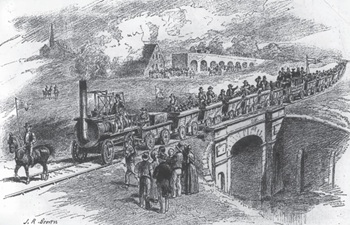
Heritage interests and operational requirements must be balanced.
Historic England publishes research into embodied carbon when retrofitting traditional buildings.

New Prime Minister delivers on ECA call for cut in electricity costs.

CIOB reacts to the announcement of Andy Burnham as Prime Minister.

Heritage and conservation science workforce survey - Have your say.

England's Suburbs 1820-2020. Book review.

New, more proportionate and targeted approach for higher-risk building assessments.

Government brings British Steel into public ownership.

UKCW Birmingham returns with bold new theme and focus.

New guidance published on competence requirements for self-certification schemes.
Construction Management, 8 July

NEETs crisis drives interest in trades, but apprenticeships barriers remain.
Passive fire protection webinar

MEP services penetration seals.